
Storefront Glass Repair in Centennial, CO
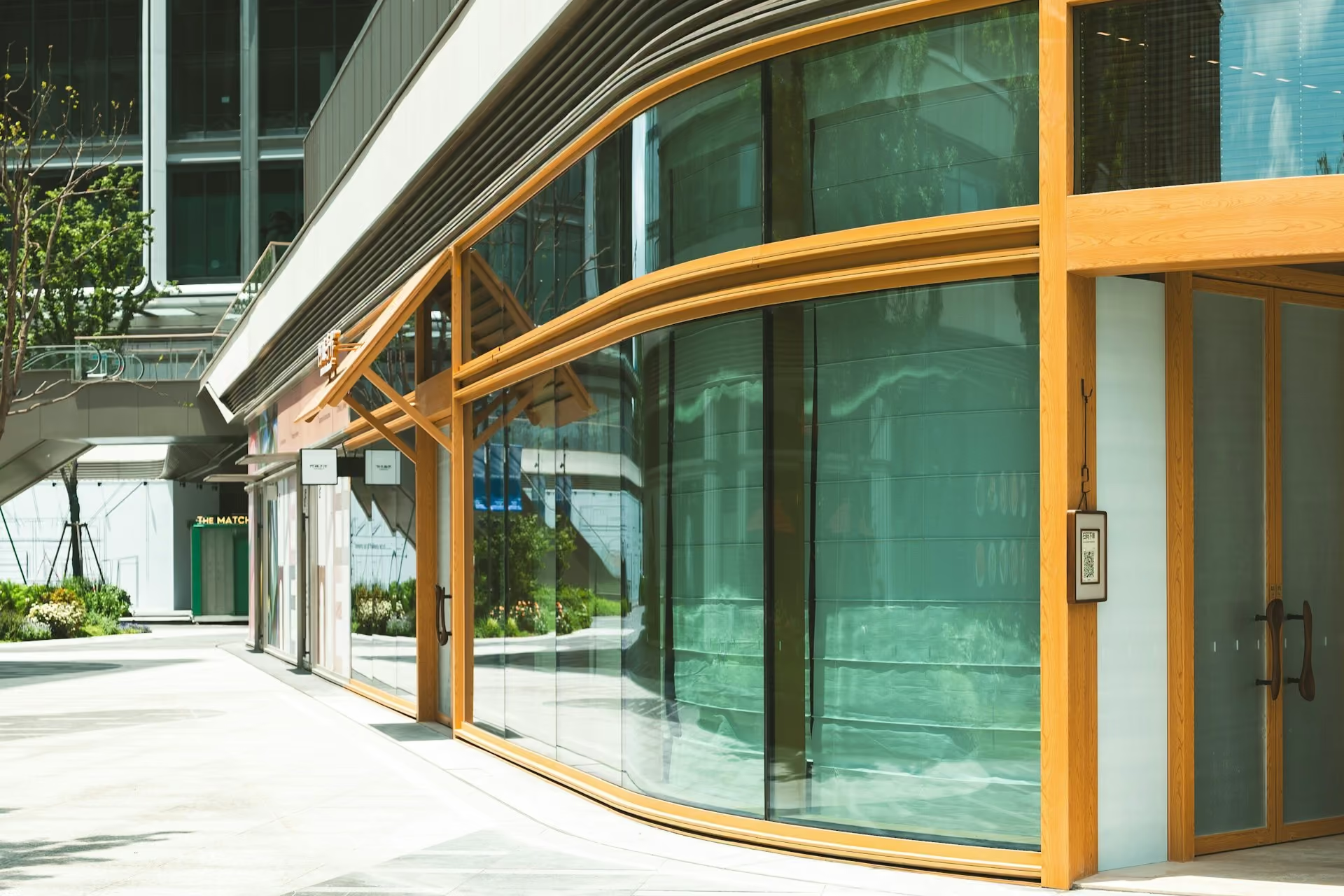
Storefront glass repair means replacing the failed lite and correcting whatever caused the failure: gaskets, glazing stops, setting blocks, sealant, or the aluminum frame itself. Cracked glass generally cannot be patched, so the decisions that matter are how fast the opening must be secured, what glass goes back in, and whether the framing needs work. Element13 Facades is a commercial-only glazier in Centennial that handles storefront repairs for property managers, general contractors, and facility directors across the Denver metro and Front Range.
What does storefront glass repair involve?
Storefront glass repair covers removing damaged glass, checking the aluminum framing and glazing components, and installing new glass that fits the opening and meets code. Depending on the failure, the scope can also include gaskets, sealant, door hardware, or frame straightening.
A storefront is a site-glazed aluminum framing system, usually one story. Glass sits on setting blocks, is held against EPDM gaskets by glazing stops or pressure plates, and is separated from neighboring lites by vertical mullions and horizontal transoms. Water that gets past the glass is meant to drain through weeps and sill flashing. When a lite fails, any of those parts can be involved.
Glass-only replacement
The frame is straight, the gaskets are sound, and only the lite is damaged. The work is removal, cleanup of the glazing pocket, new setting blocks where needed, and a new lite or insulated glass unit installed to the opening's measured size.
Glass and frame repair
A vehicle strike, forced entry, or long-term movement can bend extrusions or pinch the glass in the pocket. Replacing the lite without correcting the frame often produces a second break. Frame condition belongs in the scope before glass is ordered.
Door and hardware work
Storefront entrances carry the most wear. Closers, hinges, pivots, locks, and weatherstripping affect how the door hangs and how the glass in it is loaded. A door that drags or slams can break glass over time, so alignment is worth checking whenever a door lite fails.
What situations trigger a storefront glass repair call?
Most calls come from a handful of events. Each one points to a different scope, so knowing the cause early shortens the job.
- Impact or vandalism, including attempted break-ins and thrown objects
- Vehicle contact with the frame or entrance
- Hail or wind-driven debris
- Spontaneous cracks from thermal stress or inclusions in tempered glass
- Fogged insulated glass units with failed seals
- Water showing at the sill, mullions, or interior finishes
- Glass that rattles, shifts, or has visibly pulled out of its pocket
- Failures that show up during a warranty period on new construction or a recent renovation
Element13 does warranty-phase rescue work, so a failure on a recently completed project is a normal call, not an awkward one.
Can I stay open during storefront glass repair?
Often yes. Storefront work is usually done at the perimeter of the space, and it can be phased, scheduled after hours, or sectioned off with safety barriers so the rest of the property keeps operating.
The practical questions are which opening is affected and how long it stays open. If the opening is a main entrance, a temporary board-up or an alternate entry plan may be needed. Planning for an occupied building can include:
- Early-morning or after-hours work windows
- Tenant notice before glass removal
- Barriers and floor protection inside and out
- Privacy screening where the space is sensitive, such as a medical or financial office
- Staging replacement so only one opening is exposed at a time
Element13 communicates proactively, which matters here. You should know the window, the exposure period, and any change to either before crews arrive.
Why did my storefront glass crack with nothing hitting it?
Glass that cracks without impact usually failed from thermal stress, edge damage, frame pressure, or a nickel sulfide inclusion in tempered glass. Each leaves different clues, and the cause decides whether the replacement should be a different glass type.
- Thermal stress. Annealed glass breaks when the center is much hotter than the edges, which happens with tinted or reflective glass, shade from an awning, or blinds and displays close to the surface. Cracks typically start at an edge and run in a curving line.
- Edge damage. A small chip or bite taken from the edge during original installation or later contact can sit unnoticed for years and then run.
- Frame pressure. If the frame has moved, the glass can be pinched in the pocket or lose its bearing on the setting blocks.
- Nickel sulfide inclusions. Fully tempered glass can occasionally break on its own, shattering into small pieces, because of a microscopic inclusion. Heat soaking at fabrication can reduce this risk but does not remove it entirely.
If a break looks spontaneous, take photos before cleanup. The pattern helps identify the cause, and the cause affects warranty and claim conversations.
Should I repair or replace cracked commercial glass?
Replace the lite. A cracked annealed, heat-strengthened, or tempered lite cannot be restored to rated strength. What can be repaired is everything around it: gaskets, sealant, frame, hardware, and sometimes a scratched or chipped surface that is cosmetic only.
Safety glazing matters on replacement. IBC Chapter 24 and the safety glazing standards behind it, CPSC 16 CFR 1201 and ANSI Z97.1, generally require tempered or laminated glass in hazardous locations such as doors and glass near them. Matching the old glass is not always enough if the old glass was never compliant.
What is the difference between storefront and curtain wall glass repair?
Storefront systems are typically one story, bear on the floor and head of the opening, and are glazed from a lift or the ground. Curtain wall spans multiple floors, hangs from the structure, and is built to absorb building movement. That changes access, glass weight, and anchoring.
StorefrontCurtain wallHeightUsually single storyMultiple storiesSupportBears on sill and headAnchored to slab edgesAccessGround level, small liftLifts, swing stage, or riggingGlassOften smaller litesOften larger and heavier litesLeak pathsGaskets, sill flashing, perimeterGaskets, splices, structural silicone, anchors
Element13 does both new construction and service work, so a repair on a mixed building, with storefront at grade and curtain wall above, can be scoped by one crew with experience in both systems.
What causes a storefront to leak around the glass?
Leaks around storefront glass usually come from failed gaskets, deteriorated perimeter sealant, blocked weeps, or problems at the sill flashing and the joint where the frame meets the building. The glass itself is rarely the leak path.
Other causes include loose pressure plates or fasteners, open corner joints in the framing, and water that backs up when drainage paths are clogged with debris. Finding the actual path matters, because resealing the wrong joint hides the problem for a season and wastes the repair. Diagnosis can include visual inspection, controlled water testing such as an AAMA 501.2 style hose test, and pressure-based field testing. Element13 has in-house air and water testing and diagnostic capability. For active leaks, see our glass leak repair page.
How long does it take to replace broken storefront glass?
The install itself is often a matter of hours for a standard lite. The wait is usually glass fabrication. Stock sizes and clear tempered glass move fastest. Custom sizes, laminated glass, low-E insulated units, and special frame finishes take longer.
Lead time driverEffect on scheduleStock versus custom sizeStock sizes ship soonerAnnealed versus temperedTempering adds a fabrication stepLaminated glass, PVB or SGP interlayerLonger than monolithicInsulated glass with low-E coatingMade to order, longer than single glassHeat soakingAdds time when specifiedAnodized or Kynar frame finishAdds time if frame parts must be replacedFrame damageAdds a repair step before reglazing
An opening that cannot wait for glass gets secured first. Emergency work typically goes in stages: make-safe, glass removal, board-up, measure, fabricate, then permanent install. Element13 fabricates and assembles in-house, which can shorten the gap between measure and install. Our storefront board-up service and emergency glass repair pages cover the first stage.
How much does storefront glass replacement cost per panel?
Per-panel cost depends on glass type, size, access, frame condition, and timing. A price cannot be responsibly quoted without measurements and a look at the opening, so any figure given before that is a guess.
The main drivers:
- Glass type: annealed, tempered, laminated, or insulated with low-E
- Size and weight of the lite
- Tint, reflective coating, or security glazing
- Lift or access equipment
- Frame repair or replacement of damaged members
- Gasket and sealant replacement
- After-hours scheduling
- Emergency premium for same-day response
For property managers handling multiple openings, asking for line-item pricing per opening makes budgeting and tenant billing easier.
Does commercial property insurance cover storefront glass and board-up?
Many commercial property policies cover sudden glass breakage and reasonable board-up as mitigation expense, but terms vary. Deductibles, wind and hail deductibles, and exclusions for wear or thermal breakage can change the outcome. Check the policy or call your broker before assuming.
What helps any claim:
- Photos of the damage before cleanup
- A written description of the cause and date
- Itemized invoices for board-up, glass, and frame work
- Invoices addressed in the form the carrier requires
Element13 can provide itemized documentation of the work performed.
Why use Element13 Facades for storefront glass repair?
The credentials below are verified for Element13, and each one has a practical meaning on a repair job.
- NACC Master-Certified Glaziers. The crews working on your openings carry trade certification.
- Union-trained craftsmanship. Element13 is a signatory to Glaziers Union Denver.
- In-House Fabrication and Assembly. Fewer hand-offs between measure and install.
- In-house air and water testing. Leaks can be diagnosed with testing instead of guesswork.
- Warranty-phase rescue. Failures on recently finished work are part of the job.
- Design-assist and value engineering expertise. Useful when a repair turns into a spec upgrade, such as moving to laminated or security glazing.
- Commercial-only focus. No residential work divides the schedule.
- Leadership with 40+ years combined experience and zero major safety incidents.
- DBE, EBE (City and County of Denver), and WMBE certified, which matters for projects with participation goals.
Work is available in Centennial and in Arvada, Aurora, Denver, Parker, Boulder, Greeley, Lakewood, Longmont, Loveland, and Thornton.
What related glass services does Element13 perform?
Storefront repair often overlaps with neighboring scopes. A shattered door lite may be part of a larger broken commercial glass repair call. A fogged lite in an otherwise sound frame is an IGU replacement. Water at the sill belongs under glass leak repair. Everything sits within the broader glass repair service offering.
Frequently Asked Questions
Door condition is part of any storefront scope. Closers, hinges, pivots, locks, and weatherstripping affect glass loading, so alignment is worth reviewing when a door lite breaks. The exact work depends on the door and hardware on site.
In hazardous locations such as doors and glazing near them, safety glazing is generally required under IBC Chapter 24 and related standards. Tempered or laminated glass typically satisfies this. Other openings depend on code, design, and the existing specification.
Warranty terms vary by glass manufacturer, scope, and product. Thermal breakage is commonly excluded from glass warranties, and insulated units carry their own seal warranty. Ask for labor and material terms in writing in the proposal.
Often. If the cause is thermal stress, heat-strengthened or tempered glass may be the answer. If it is frame pressure, the frame needs correction. If it is security, laminated glass or anti-shatter film may be options. Identify the cause before reordering the same glass.
The address, which openings are affected, approximate sizes if known, photos of the damage, whether the building is occupied, and any insurance or tenant deadlines. That is enough to start scoping a schedule.
When Glass Door Problems Can't Wait Contact Element13
Your building's glass front entrance doors handle hundreds of entries daily. When they fail, have cracked glass, broken closers, or hardware that won't engage, it's not just inconvenient, it's a security risk. Property managers and general contractors know that entrance problems reflect poorly on the entire building and create liability concerns.