
Emergency Glass Repair in Centennial, CO
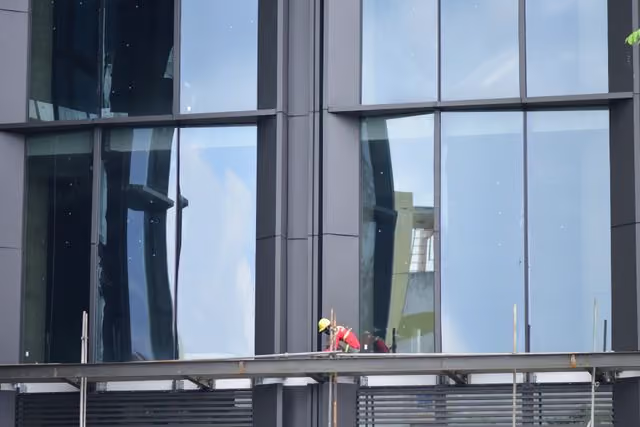
When glass breaks on a commercial building, the first job is to make the opening safe and secure. The second is to get the right permanent glass ordered. A board-up protects the building and the people in it for the short term. Replacement glass often takes longer, because tempered, laminated and insulated units are frequently cut to size. Element13 Facades is a commercial-only glazier serving Centennial, and this page covers what emergency glass work involves so you can decide quickly and brief your insurer, tenants and ownership accurately.
What counts as emergency glass repair on a commercial building?
Emergency glass repair is any glass failure that leaves a building unsecured, unsafe or exposed to weather: a shattered storefront lite, a cracked entrance door panel, a dislodged window, or a leaking opening that is damaging finishes. The work has two phases. Stabilize the opening now, then fabricate and install permanent glazing to the original specification.
The urgency comes from three exposures: people walking past or through broken glass, an open entry into the space, and water or air getting into the envelope. If none of those apply, the job is probably a scheduled repair. Our Broken Commercial Glass Repair page covers non-urgent breakage in more detail.
What situations trigger an emergency glass call?
The calls we expect from property managers, facility directors and general contractors fall into a handful of patterns:
- Impact: a vehicle, a cart, a delivery, or equipment striking storefront glass or a door lite.
- Vandalism and break-ins: smashed lites at ground-level storefronts, often discovered at opening time.
- Hail and wind-borne debris: Front Range storms can break glass or crack insulated units on exposed elevations.
- Thermal stress: annealed glass that heats unevenly, usually from shade lines, dark window treatments or heat sources close to the lite, can crack from the edge inward.
- Edge damage: a small chip during installation or cleaning that grows into a full crack weeks later.
- Spontaneous breakage of tempered glass: nickel sulfide inclusions can cause fully tempered glass to shatter with no visible cause.
- Building movement and frame failure: a deflected header, a loose pressure plate or a failed setting block can load the glass until it breaks.
- Failed insulated glass units: seal failure that fogs or floods a unit is rarely an emergency, but a unit that has cracked is.
-
What happens during an emergency glass repair?
The stages below are the standard sequence for emergency glazing. The exact scope depends on the damage, the glass type, the frame condition and site access.
Make-safe and glass removal
Loose and hanging glass has to come out before anything else. Fragments get cleared from the opening, the sill and the sidewalk. Laminated glass often stays in the frame after breaking because the interlayer holds the pieces, so it may need cutting out rather than simply knocking out.
Board-up
The opening gets a temporary closure. Three-quarter-inch plywood is the common choice. Polycarbonate keeps daylight and visibility where a retail or lobby space needs it. If the frame is bent or compromised, methods that avoid screwing into the frame, or furring that spreads the load, protect the aluminum for the permanent install. Our storefront board-up service covers this stage on its own.
Documentation and measuring
Photographs of the damage, the surrounding frame and any collateral damage support an insurance claim. Measuring comes next. Accurate sizes, glass type, thickness, coatings and frame condition determine what gets fabricated. Pull any original submittals or drawings if you have them.
Fabrication and permanent installation
The replacement glass is fabricated to match the original in type and performance, or upgraded when the owner wants security or impact-resistant glazing. Installation includes fresh gaskets or sealant, setting blocks and glazing stops as the system requires. Element13 handles fabrication and assembly in-house.
What decides how long permanent replacement takes?
Permanent replacement time depends on the glass, not the installation. Stock sizes of clear tempered glass move quickly. Laminated, low-E insulated and custom-finish units take longer because they are made to order. Frame finish and heat-soaking add time too.
DriverEffect on lead timeStock versus custom sizeStock sizes are faster; custom sizes need fabricationGlass typeAnnealed and tempered are simpler than laminated with a PVB or SGP interlayer, or insulated units with low-E coatingsFrame finishAnodized or Kynar finishes matched to the existing storefront add time if framing must be replacedFabrication stepsTempering and heat-soaking add processing timeFrame damageBent extrusions, mullions or transoms may need repair before glass goes inAccessUpper-floor lites or tight sites may need lifts and scheduling
Tell us if the opening is a tenant entrance, a life-safety egress or a high-traffic lobby. Those get prioritized in how the board-up and replacement are sequenced.
Should I repair or replace cracked commercial glass?
Cracked glass is replaced, not repaired. A crack in tempered glass means the unit has failed, and a crack in annealed or laminated glass will usually spread with thermal cycling and building movement. The repair that matters is usually to the frame, gaskets, sealant or hardware around the glass.
If an insulated unit has a seal failure but the glass is intact, the answer is different: only the unit needs swapping. See our IGU Replacement page for that.
Can I stay open during storefront glass repair?
Usually yes. Once the opening is boarded or barricaded and the glass is cleared, the business can often operate through another entrance. Permanent installation can be scheduled for early morning or after hours to limit disruption. Whether the work can continue during business hours depends on the entry affected, the pedestrian path and the building's safety requirements.
A single storefront lite is different from a main entrance. If the broken glass is in the only public door, expect to arrange a temporary entry or a short closure. Our Storefront Glass Repair page covers the framing side of these jobs.
Can a hospital or healthcare building have window glass repaired while occupied?
It can be done, but it needs planning. Occupied healthcare work typically involves phasing, after-hours scheduling, safety barriers, and infection-control and privacy measures set by the facility. The glazier works to the facility's requirements, which come first. Bring your facilities and safety teams in before the schedule is set.
What is the difference between storefront and curtain wall glass repair?
Storefront systems are usually one story, glazed from the exterior or interior and anchored between floors or to a structure at the head and sill. Curtain wall systems span multiple floors, hang off the structure and rely on gaskets, perimeter and structural silicone, and drainage paths that are harder to reach. Replacing a lite is a very different job when it sits on the fourth floor.
That difference changes access, equipment, scheduling and testing. If water is entering after the glass is replaced, the cause may be gaskets, open splices, blocked weeps or perimeter interface problems rather than the glass. Diagnostic testing, such as a hose test per AAMA 501.2 or field testing to ASTM methods, can locate the source.
Who is responsible for glass repair in a leased commercial space?
The lease decides. Many leases make the tenant responsible for storefront glass inside the demised space, while the landlord handles structural elements and the building envelope. Others split it by cause, or by whether the glass is original. Read the glass, casualty and insurance clauses first, then confirm with counsel or your insurer.
In the meantime, the opening still needs securing. Documenting the damage and arranging the board-up should not wait for the responsibility question to be settled.
How much does commercial storefront glass replacement cost per panel?
There is no honest per-panel number without the specs. Cost depends on the glass type and size, whether the unit is stock or custom, and whether framing needs repair. Access and lifts, after-hours work and the emergency premium for rapid response all raise it. If an insurance claim applies, your deductible and mitigation coverage change what you pay out of pocket.
Send the dimensions, the glass type if you know it, photos of the opening and the location in the building. That is enough for a priced scope.
What should a property manager look for when choosing an emergency glass company?
Check these before you need them:
- Commercial focus. Residential-style glass work and commercial storefront work use different systems and codes.
- Certified glaziers. Look for NACC certification and trained crews.
- Fabrication control. Who cuts, tempers, assembles and finishes the replacement?
- Safety record. Ask about incidents on past work.
- Documentation habits. Photos and written scope make your insurance claim easier.
- Code awareness. Replacement glass in doors, sidelites and other hazardous locations must meet safety glazing requirements, such as ANSI Z97.1 and CPSC 16 CFR 1201, and IBC Chapter 24.
- Frame knowledge. Many glass failures start with the frame, so the glazier should assess it.
Do you offer on-call glass repair for multi-tenant properties?
We can talk through a standing arrangement for your portfolio, but we are not publishing a standard program here. If you manage multiple tenants or properties, contact Element13 before a loss to discuss your buildings, your glass types and how you want to be contacted. Having drawings, glass specs and an after-hours contact list on file saves time at the worst hour.
Why call Element13 Facades for emergency glass work?
Element13 is a commercial-only glazier. We do not split attention with residential work.
- NACC Master-Certified Glaziers. Certified craftspeople assess the glass, the frame and the code requirements together.
- Union-trained craftsmanship. We are a signatory to Glaziers Union Denver.
- In-house fabrication and assembly. We control the work from measured opening to finished unit.
- In-house air and water testing. When an emergency is a symptom of a larger envelope problem, diagnostic testing can find the source.
- Warranty-phase rescue. We have experience stepping in when installed systems are failing.
- Leadership with more than 40 years of combined experience.
- Zero major safety incidents. That matters on occupied sites with public foot traffic.
- DBE, EBE and WMBE certified, including EBE certification with the City and County of Denver.
Our service area includes Arvada, Aurora, Denver, Parker, Boulder, Greeley, Lakewood, Longmont, Loveland and Thornton. We say what the problem is, what we recommend, and what has changed as we learn more.
Related glass services
Emergency glass work often leads to other scopes. A broken lite may reveal a failing frame, which falls under Storefront Glass Repair. Hail or thermal stress may point to IGU Replacement across several openings. For a broader view of everything we do with glass maintenance, see our Glass repair service Services overview.
Frequently Asked Questions
Often, partially. Many commercial policies cover glass damage and the cost of protecting the property from further loss, though deductibles apply, and wind and hail deductibles can differ. Photograph the damage before anything is removed, keep invoices for the board-up and make-safe work, and contact your carrier early.
No. Tempered glass is heat-treated so it breaks into small pieces when damaged, and it cannot be cut, drilled or patched afterward. The lite is replaced. Any hardware, door closer, pivot or frame damage can be repaired around it.
Causes include nickel sulfide inclusions, edge damage that happened earlier, thermal stress, and frame movement that loads the glass. Finding the cause helps you decide whether to replace only the broken lite or inspect neighbouring ones.
Plywood is the common choice for security and weather protection. Polycarbonate lets light through and keeps the business visible, which helps retail and lobby spaces. The right choice depends on how long the board-up needs to last and the condition of the frame.
When Glass Door Problems Can't Wait Contact Element13
Your building's glass front entrance doors handle hundreds of entries daily. When they fail, have cracked glass, broken closers, or hardware that won't engage, it's not just inconvenient, it's a security risk. Property managers and general contractors know that entrance problems reflect poorly on the entire building and create liability concerns.