Commercial Glass Replacement in Centennial, CO
What commercial glass replacement involves
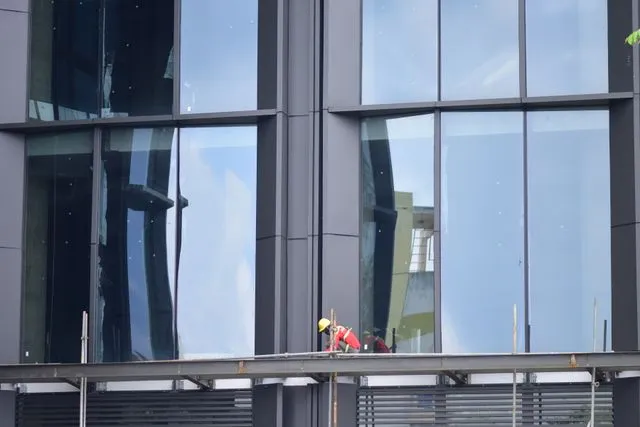
Commercial glass replacement means removing and reinstalling glass units, structural sealants, and associated framing in an occupied or operational building. It covers single-pane glass failures, Insulated Glass Unit replacements, partial facade work, or full curtain wall system overhauls. The work includes diagnosing the failure (whether glass itself, sealant, or frame), sourcing or fabricating replacement units to spec, removing the failed assembly without damaging the building envelope, installing new glass and sealant, and testing for air and water tightness before turnover.
Unlike new construction glazing, replacement work happens around tenant operations, building systems, and often tight interior spaces. Speed matters. Structural integrity must be proven before glass gets installed. Specifications must match original performance ratings or code upgrades.
When your building needs glass replacement
Glass fails for several reasons. Insulated Glass Units lose their hermetic seal, causing internal fogging or condensation that won't wipe away. Thermal stress from freeze-thaw cycles cracks individual panes. Impact damage from weather, vehicle collision, or structural movement breaks glass outright. Structural silicone sealant hardens and loses adhesion over 20 to 30 years, letting water penetrate behind the glass and into the building structure.
Facility managers typically call when tenants report visible fogging between panes, ongoing water stains on interior walls or ceilings, drafts from failed seals, or visible cracks. Sometimes the trigger is a comprehensive facade audit or a single catastrophic failure.
Signs your curtain wall or storefront needs assessment
Schedule a professional evaluation if you see moisture trapped between glass panes, white haze or discoloration on interior surfaces, water damage on adjacent interior walls or window sills, silicone sealant that's cracked, peeling, or missing in sections, or visible separations between glass and the frame.
Aluminum mullions or transoms that show corrosion, surface pitting, or discoloration can indicate sealant failure allowing water ingress. If you can see daylight around glazing gaskets or pressure plates, replacement is due soon. Structural movement or building settlement sometimes creates stress cracks in a single pane, even if the seal is intact.
Element13 performs on-site Glazier Services diagnostics using in-house air and water testing. We identify whether you need glass-only replacement, gasket and sealant renewal, frame repair, or full system replacement before work begins.
Glass types and performance standards for commercial buildings
IBC Chapter 24 governs glass and glazing in Colorado commercial buildings. The code specifies performance by location, use, and exposure. Storefronts often require tempered glass to ASTM C1048 standards, which means the glass won't produce large, sharp shards if broken. Laminated safety glass to ASTM C1172 is required in high-impact zones and above occupied spaces, as it remains bonded to an interlayer even when fractured.
Insulated Glass Units combine two panes separated by an air or argon-filled cavity, with structural silicone along the perimeter. IGUs are rated by U-factor (heat transmission), Solar Heat Gain Coefficient (SHGC), and air infiltration ratings per ASTM E283. Low-E glass coatings reduce radiant heat transfer, cutting HVAC cost in summer and winter.
Fire-rated glazing per ASTM E119 may be required in fire separation walls, stairwells, and exit corridors. Framing often uses aluminum alloy extrusions, typically 6063-T5 or 6063-T6, with thermal breaks of reinforced polyamide or polyurethane to reduce heat transfer through the frame itself.
Choice depends on building orientation, climate zone, occupancy type, and budget. Element13 designs and installs to match existing performance or upgrade to meet current ASHRAE 90.1 or IECC energy code if the building is being renewed.
Our process for commercial glass replacement
We start by scheduling site assessment and measurements during occupied hours if the building is in use. We photograph the existing system, test for air and water integrity using ASTM E283 and ASTM E331 protocols, and document any damage or environmental factors (corrosion, UV exposure, impact zones).
Next, we prepare a detailed scope: glass type, size, quantity, frame repair or replacement, sealant removal and reapplication, testing protocol, and phasing around tenant schedules. We coordinate permitting with the City and County of Denver if required, pull permits, and source or fabricate glass in our in-house shop. Fabrication includes edge work, Low-E coating application if specified, temper or lamination, and IGU assembly with structural silicone.
We schedule installation in phases to minimize operational impact. Crews remove old glass and sealant carefully, clean frames, inspect and repair aluminum if needed, install new gaskets and pressure plates, set and seal new glass, and verify alignment. After installation, we run air and water tests again to confirm the envelope is sealed per spec.
Our teams are Union-trained and NACC Master-Certified. We carry DBE, EBE, and WMBE certifications. We're signatory to the Glaziers Union Denver, which means apprenticeship training, safety standards, and accountability are non-negotiable.
How low-E glass coating affects your building's energy costs
Low-E (low-emissivity) coatings reflect infrared heat while letting visible light through. In summer, Low-E reduces solar heat gain, lowering cooling costs. In winter, it reflects interior heat back into the building, reducing heating load.
The coating is a metallic or oxide layer applied during glass fabrication. It's measured by emissivity rating (lower is better for heat rejection). Paired with argon fill in IGUs, Low-E glass improves overall U-factor significantly compared to clear, uncoated IGUs.
Energy payback depends on building use, orientation, and HVAC efficiency. A 10,000-square-foot facade facing south or west sees faster ROI than north-facing glass. Element13 designs IGU assemblies to meet ASHRAE 90.1 targets for your climate zone and building type, balancing glazing cost against utility savings over the asset lifecycle.
Curtain wall versus storefront glazing: which do you have
Storefront glazing uses horizontal and vertical aluminum extrusions (mullions and transoms) anchored to the building structure, with glass set into frames using gaskets and pressure plates or structural silicone. Systems are typically one to three stories and bear less wind load per unit area. They're faster to install than curtain walls.
Curtain wall systems are stick-built or unitized. Stick-built components are assembled on-site: mullions bolted vertically, transoms set horizontally, glass installed as installation proceeds. Unitized systems are pre-assembled into panels in the shop and bolted together on-site. Curtain walls extend multiple stories, distribute wind and seismic loads through the frame, and support more glass area per mullion. They're heavier, more complex, and require higher design rigor.
Difference matters for replacement. Storefront replacement often involves removing a few units and resealing. Curtain wall work may require temporary bracing, load analysis, and phased removal to avoid structural instability. Element13 performs both Curtain Wall Installation and Storefront Glass Installation, with in-house design-assist to confirm the right scope before work begins.
Permitting and code compliance in Colorado
Commercial glass replacement in Centennial and Denver requires building permits. The City and County of Denver issues permits based on IBC Chapter 24 and local amendments. Submittals typically include glass specification sheets (NFRC ratings, ASTM certifications), frame details, sealant compatibility, and sometimes structural calculations if the replacement changes load paths or if the building is in a seismic zone.
Tempered and laminated glass must carry third-party certification and mill certifications. Structural silicone must be rated for use with the specific glass type and frame material (aluminum, steel, wood) per ASTM C1292 or equivalent. Fire-rated glazing requires UL labeling.
Element13 manages permitting. We submit correct documentation, coordinate inspections, and ensure work meets code before we close out. We know Colorado's amendments, Denver's interpretations, and the inspection protocol. We've worked extensively across the Front Range service areas including Arvada, Aurora, Boulder, Greeley, Lakewood, Longmont, Loveland, Parker, and Thornton, and the permitting nuances vary by jurisdiction.
Hidden costs and budget planning for commercial glass replacement
Glass and labor are obvious. Hidden costs appear in structural repair (corroded mullions, damaged frames), sealant removal labor, temporary bracing or protection during work, testing and commissioning, phased scheduling premiums, and scope creep when diagnosing reveals additional failures.
Temporary barriers or weather protection for occupied buildings add cost. If the building is climate-controlled and the work is cold-weather, temporary sealing or heating is required. Night and weekend work schedules command overtime rates. Access equipment, scaffolding, or lifts are line items if the facade is above ground level.
Permit delays, coordination with tenants, and rework from unforeseen frame damage during removal compound cost. Budget 10 to 20 percent contingency for commercial replacements. Get in-house testing and a detailed scope report before pricing the full job. Element13 provides a fixed-cost proposal after diagnosis, so there are no surprises once work begins.
How long does commercial glass replacement take
Small storefront replacements (a single unit or two) take one to three days once glass is fabricated and on-site. Fabrication is three to five working days depending on coating, temper, or lamination requirements, and delivery time from suppliers if we're not making it in-house.
Medium facades (500 to 2,000 square feet) take one to three weeks, including diagnosis, permitting, fabrication, and installation. Large curtain wall replacements (5,000 square feet or more) take four to eight weeks or longer depending on phasing, permit approval, and structural repairs.
Scheduling around occupied tenants extends timelines. We coordinate work in off-hours, during evenings, weekends, or holiday closures if needed. We detail the critical path before we commit to a date, so you know what to expect.
Structural silicone degradation: what to look for
Structural silicone sealant bonds the glass to the frame and creates the weather barrier. It hardens over time, losing elasticity and adhesion. Failed sealant looks cracked, shrunken, or pulling away from glass or aluminum. You may see caulk that's gray or brown instead of its original color, or sections missing entirely.
Water penetrates behind failed sealant, pooling in aluminum channels or draining into insulation and wall cavities. You'll see staining on interior drywall, corrosion of aluminum frames, or mold growth if moisture sits long enough.
Silicone typically lasts 15 to 30 years depending on UV exposure, thermal cycling, and building movement. Facades facing south or west age faster. Buildings in freeze-thaw climates stress sealants each winter. Structural movement from settlement or seismic activity causes sealant to tear.
Element13 removes failed sealant completely, cleans frames with a compatible primer, and reapplies structural-grade silicone per ASTM standards. We use sealants rated for the specific glass type and frame material. We test the installation for water tightness before closing out.
Frequently Asked Questions
Yes, if the frame and gasket system are sound. We assess the frame during diagnosis. If aluminum is straight, sealant channels are clean, and gaskets aren't dried out, we can often replace just the IGU. If the frame is corroded, gaskets are hardened, or sealant is bonded permanently to old glass, we recommend full unit replacement. It's cheaper to replace frame components than to deal with chronic leaks from a weak seal.
We compare the existing system to current IBC Chapter 24 and local amendments. If the code requires higher SHGC, lower U-factor, or upgraded glass type, we design the replacement to meet current code. This often improves building performance, tenant comfort, and resale value. If the upgrade adds cost, we show you the trade-off: higher upfront cost against lower energy bills and future-proofed compliance.
We don't repair interior damage. We coordinate with the building's restoration or remediation contractor. Our job is to stop the water ingress by sealing the facade correctly. Once the new glass and sealant are installed and tested, water shouldn't penetrate again. Interior drywall, insulation, or framing may need separate remediation.
Yes. We run ASTM E331 water spray testing and ASTM E283 air infiltration testing on every replacement. Testing proves the envelope is sealed per spec. We provide test results and a warranty statement upon completion. Commercial Glazing Installation includes testing as standard.
Yes. We phase work around tenant operations, building hours, and weather. Early mornings, evenings, and weekends are standard. We coordinate access with your facilities or property management team and communicate schedule changes in advance. For large projects, we may run parallel work crews to shorten the overall duration.
Glass carries manufacturer warranties (typically 10 years for IGU seal failure, lifetime for edge breakage). Structural silicone is warranted 10 years against adhesion failure if it's installed per our process and the frame is prepared correctly. Labor is guaranteed for one year: we'll return and fix any installation defects at no charge. Details are in your warranty agreement after project closeout.
When Glass Door Problems Can't Wait Contact Element13
Your building's glass front entrance doors handle hundreds of entries daily. When they fail, have cracked glass, broken closers, or hardware that won't engage, it's not just inconvenient, it's a security risk. Property managers and general contractors know that entrance problems reflect poorly on the entire building and create liability concerns.